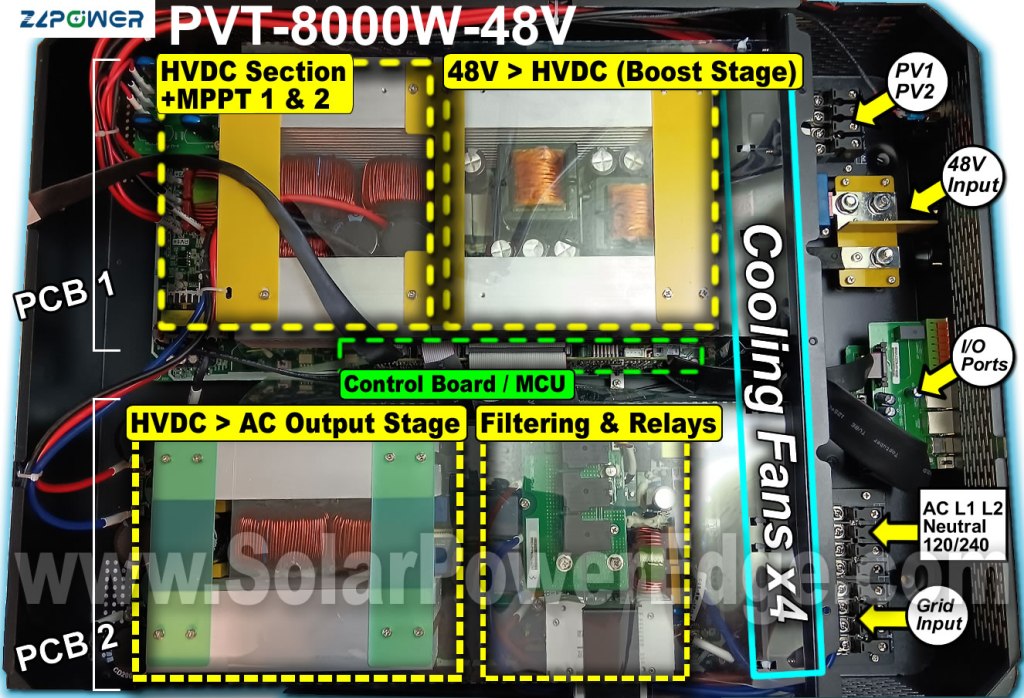
This is a first look and deep dive into the the PVT-8000W-48V solar hybrid (all-in one) inverter built by ZLPower. This includes examining the electronics inside, it’s build / layout and overall functionality. *Note the inverter appears to have a second model # which is PVT8K-48-180A-SP.
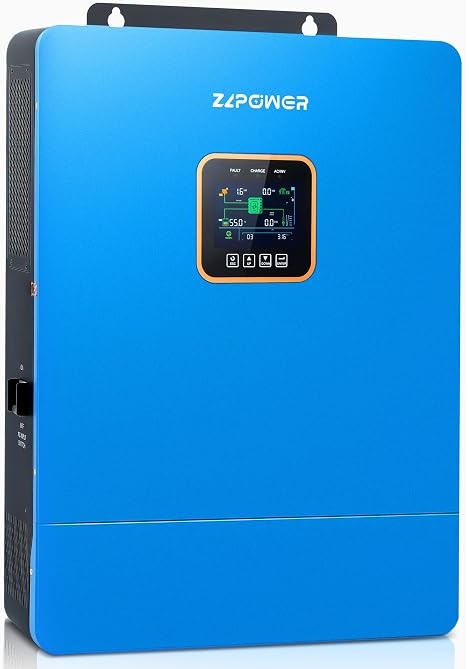
I don’t have a lot of experience with these highly integrated “all-in-one” inverters. Over the past decade plus of using and learning about solar power, I preferred to use normal discrete power inverters and charge controllers. But this ZLPower inverter is truly “all-in-one” as it combines an inverter-charger, 2 MPPT charge controllers and an off-grid power inverter all packed in one neat convenient assembly that can be wall mounted.
There are a TON of inverter brands and manufacturers out there, to the point that it seems overwhelming – because it is. I never look at a product without checking into the company behind it first. It’s basic homework, and besides curiosity always gets the better of me.
Who is ZLPower?

They are an industrial technology and manufacturing company based out of Shenzhen, China with over 40+M USD in assets. They employ a team of over 100 engineers!
ZLPower’s main facility is 10K square meters in size. Both COTS and Enterprise/Industrial products are manufactured, including some of the largest online enterprise UPS (uninterruptible power system) units I have ever seen.

Coming from an IT and datacenter background, those products are very impressive to me…
Judging by their website, they also have had quite a presence at tradeshows and other events.
While researching the company, I managed to get a few snapshots of their factory floor and manufacturing processes.

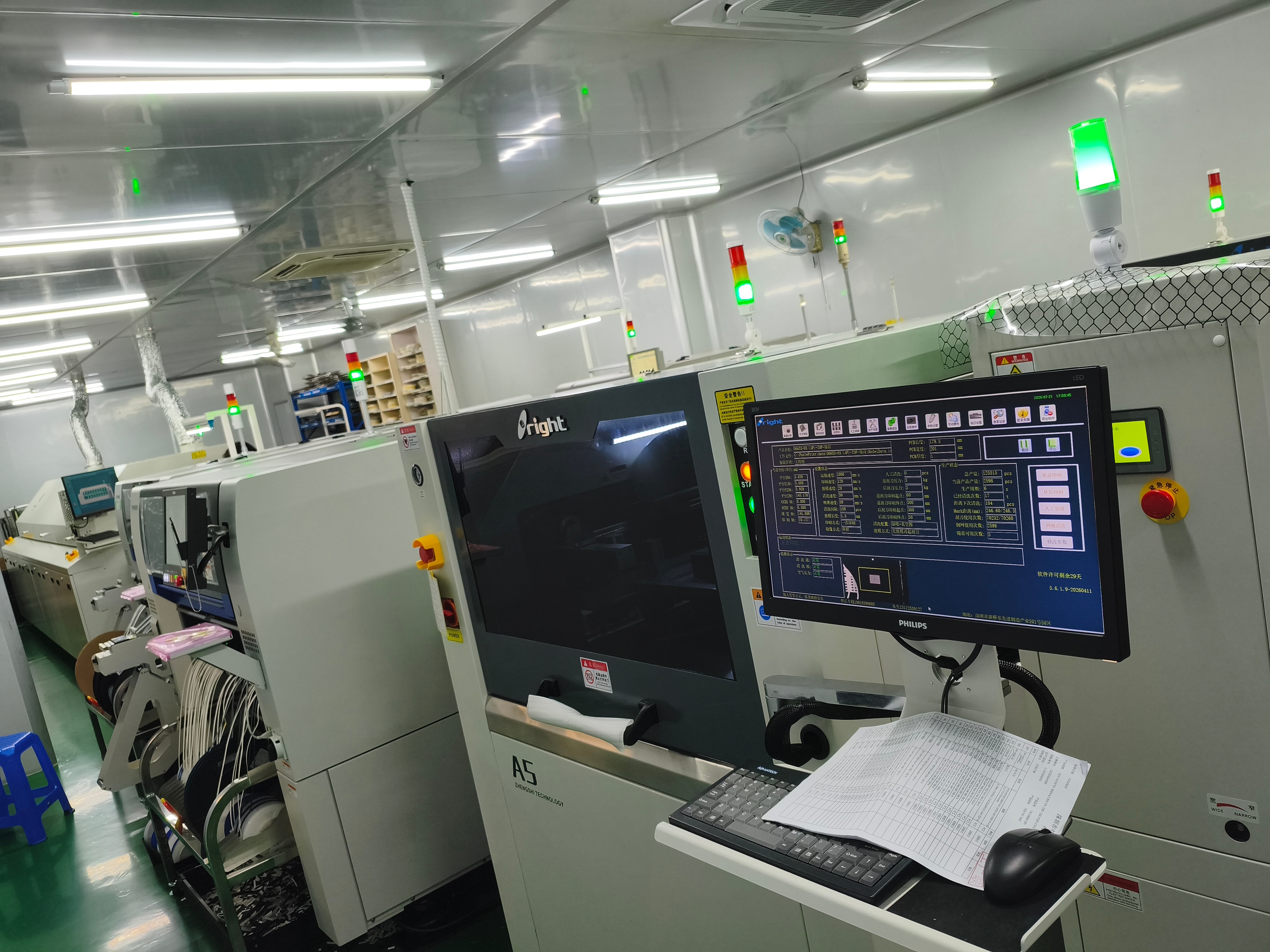
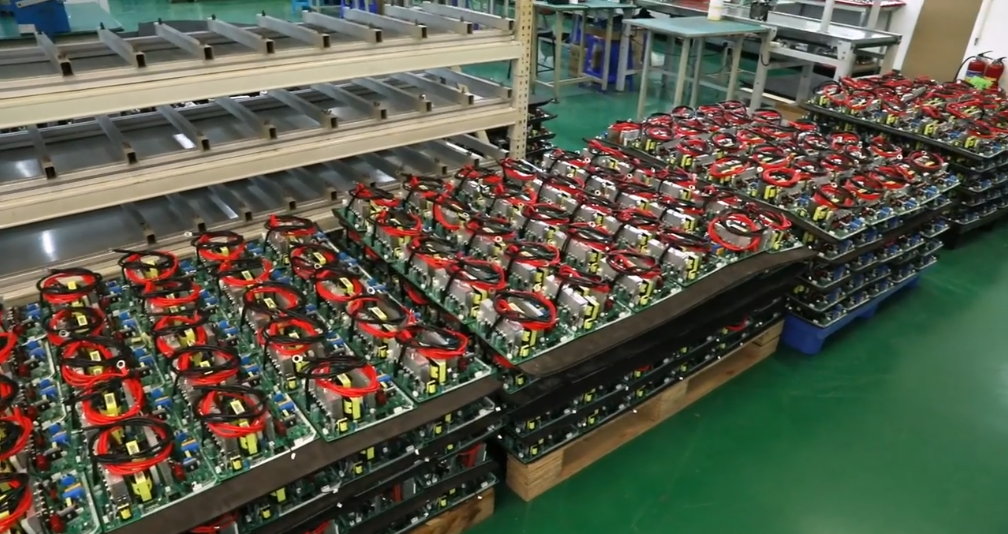
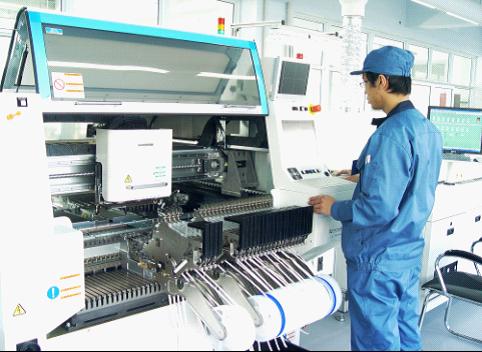
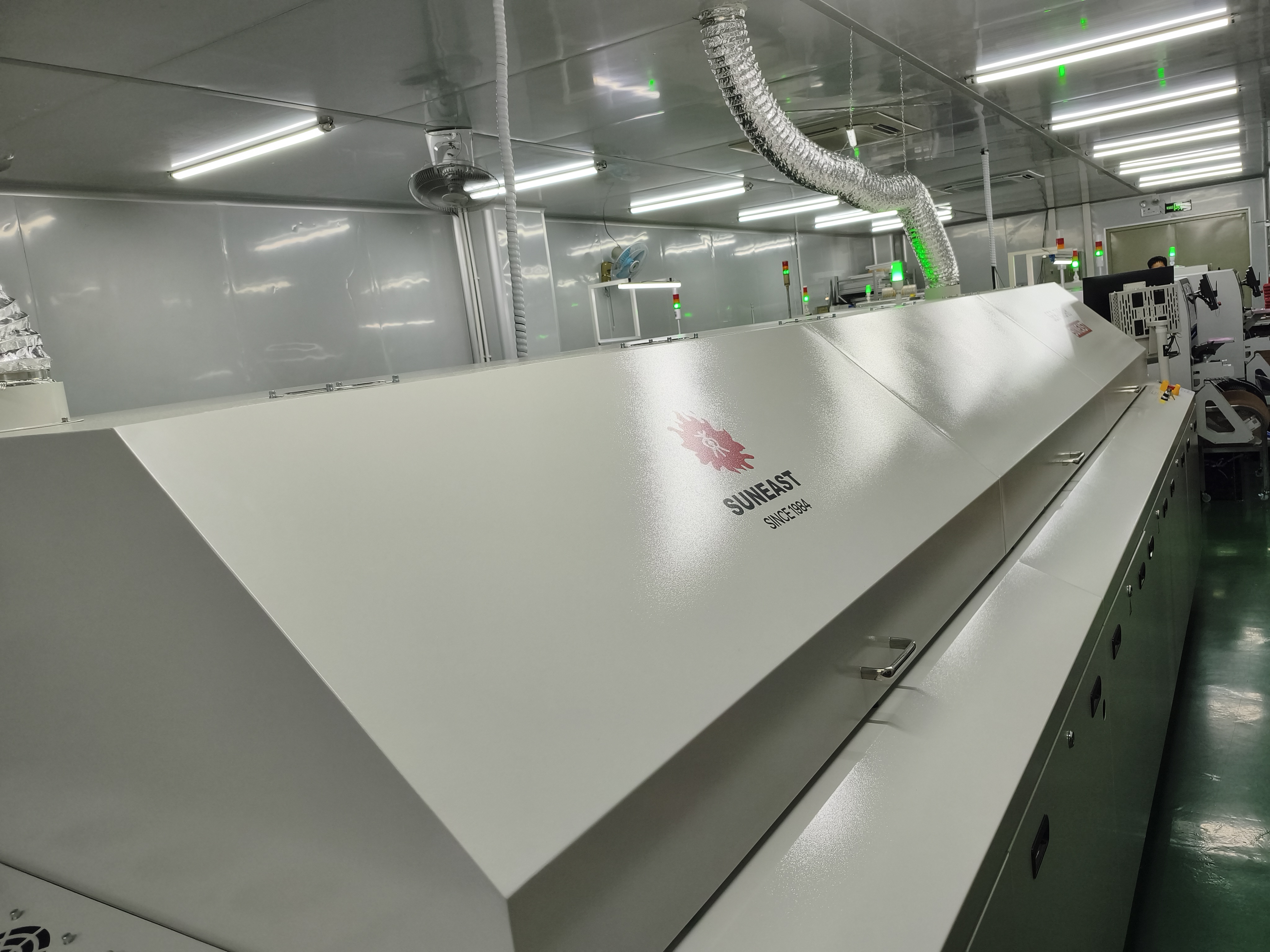
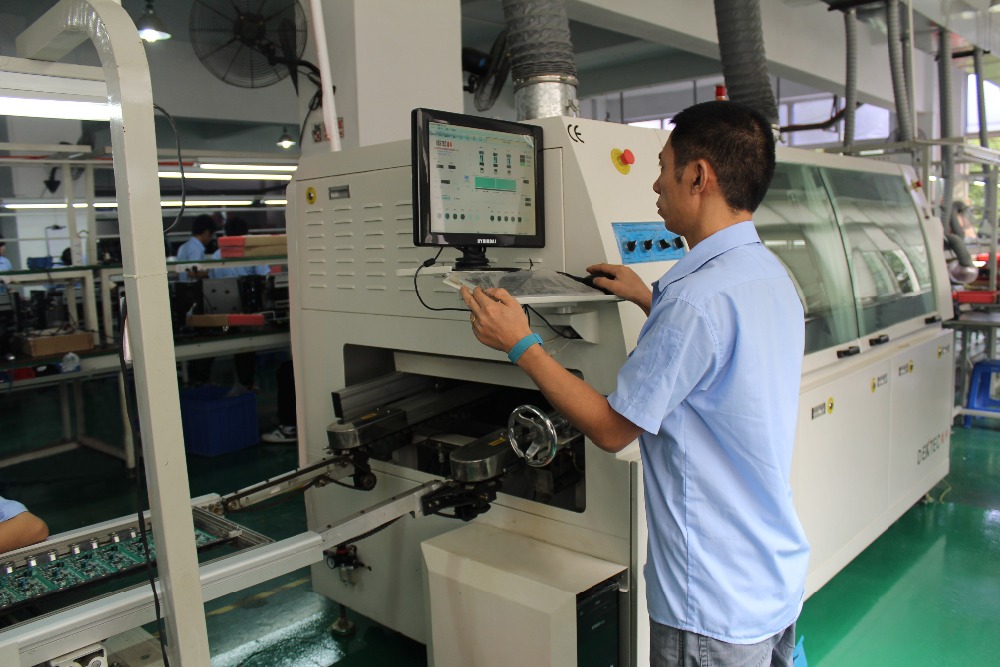
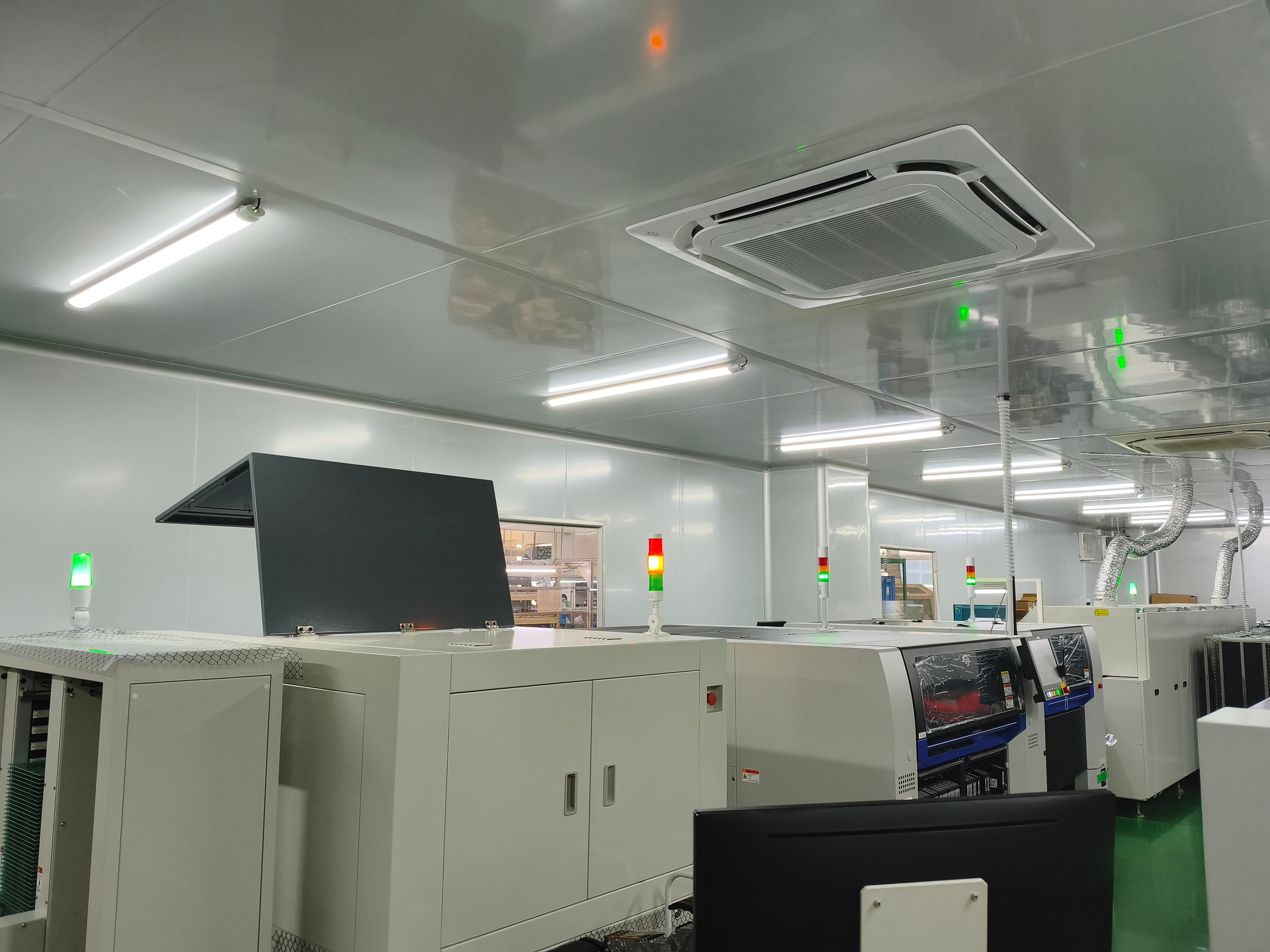



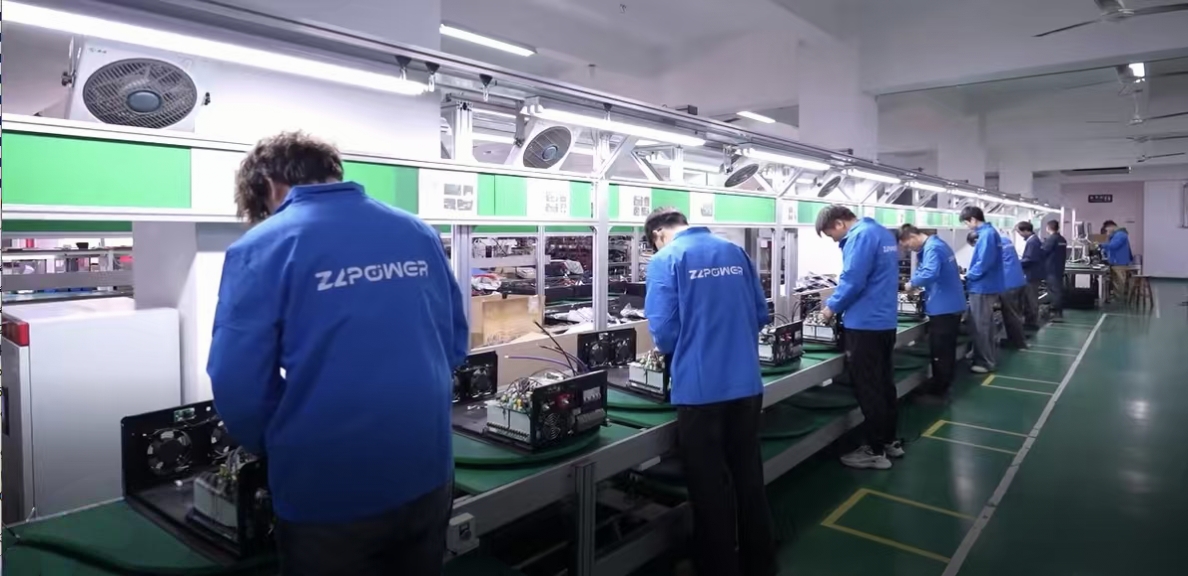
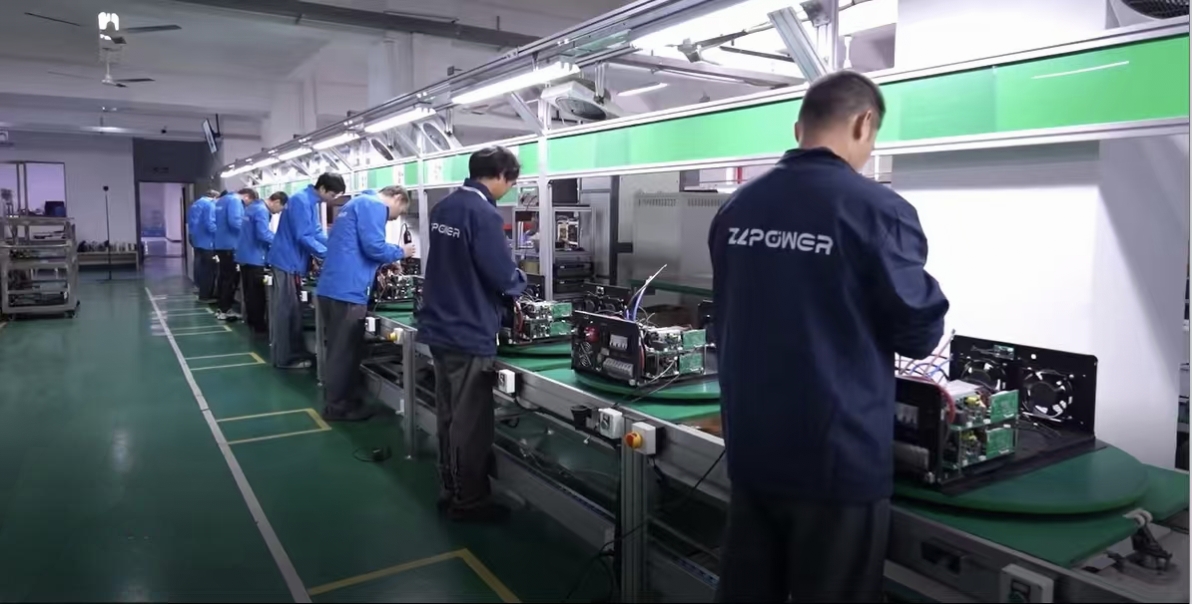
It all looks good to me!
So with such manufacturing and engineering capabilities, they should be able to handle design and manufacturing of a solar inverter product, right?? Well, let’s take a look at this PVT-8000W-48V solar inverter and see what it’s made of….
The PVT-8000W-48V – First Look
The inverter comes well-packed with foam surrounds, an external WiFi module and various cables plus instruction manuals. The case is a traditional steel construction, and it’s a straightforward process to gain access to the inside by removing a few screws.
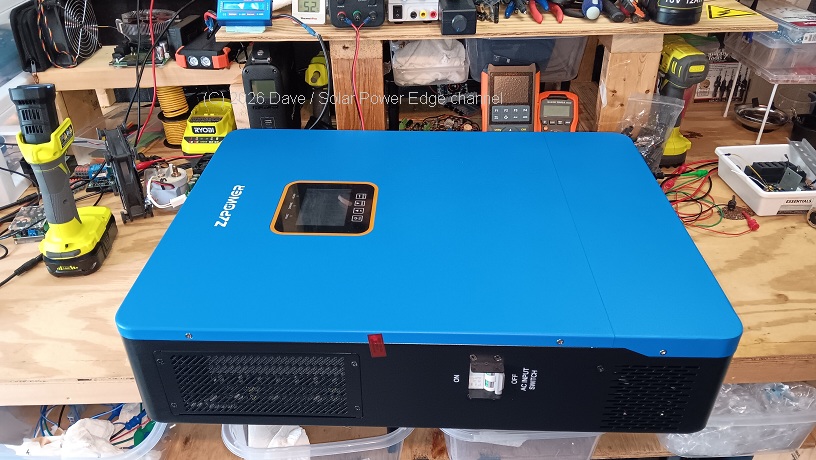
Inside we find a lot of electronics arranged on 2 separate printed circuit boards (PCBs) plus separate a control / MCU board. The first board integrates the 48V boost stage. It appears the MPPT controller may be outputting high voltage DC (HVDC) straight into this stage, a flexible design which allows sending PV power straight into the inverter HV side where it can be consumed directly.
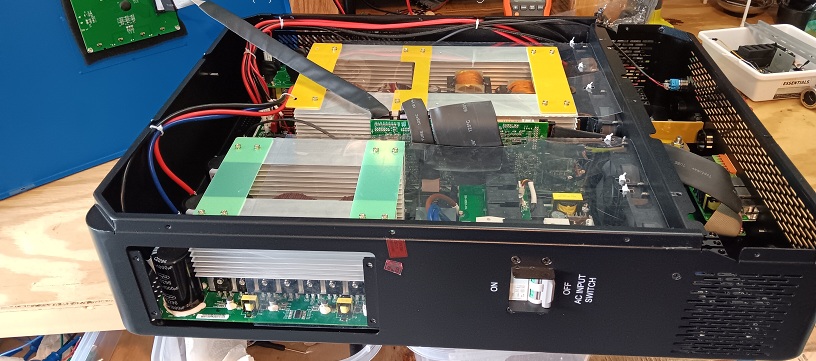
There are wires carrying HVDC over to the second main PCB, this one handles generation of the 120/240Vac split phase sine wave output plus it accepts a grid input for charging batteries or supplying power to AC loads from the PV + Batteries.
Display Screen, Controls & Programming
The inverter is programmed through 4 capacitive touch buttons, and several dozen settings (distinguished by an ID number). All the settings and ID numbers are covered in the manual. I didn’t have any problem finding or configuring the settings I needed.
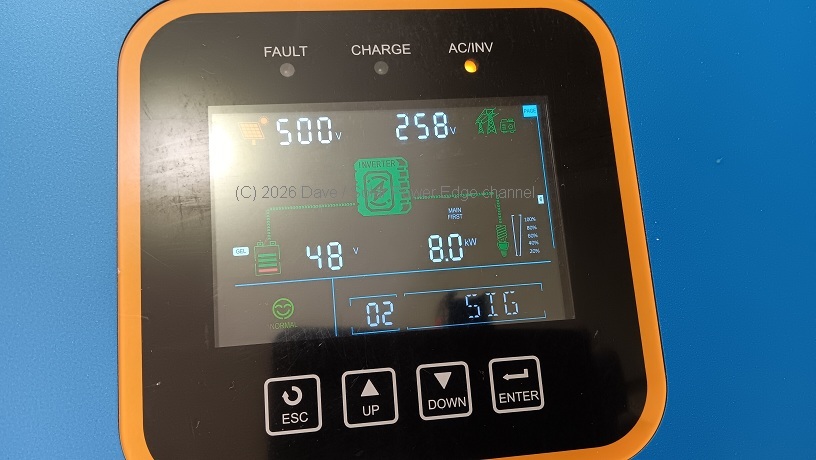
The screen is bright and easy to see, and displays a lot of information all at once. You can cycle through various display items at will, such as phase voltages and kW. The screen itself gives the impression of a professional piece of equipment.
Thermal Considerations
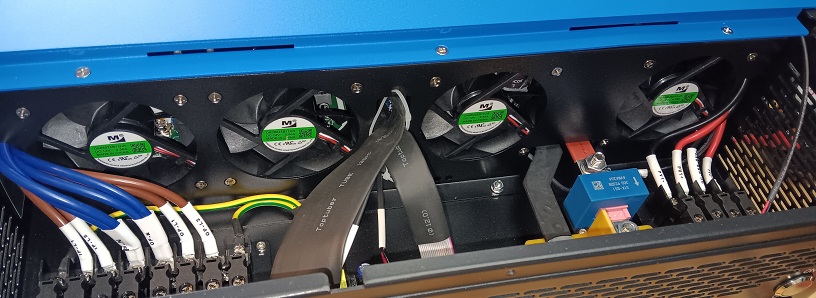
The inverter has 4 high power fans (6W each) for a total 24 Watts of air cooling power. That is a significant amount of potential air moving, but it’s necessary due to the highly integrated nature of the inverter. There are a lot of electronics in a small space which will produce heat while operating.
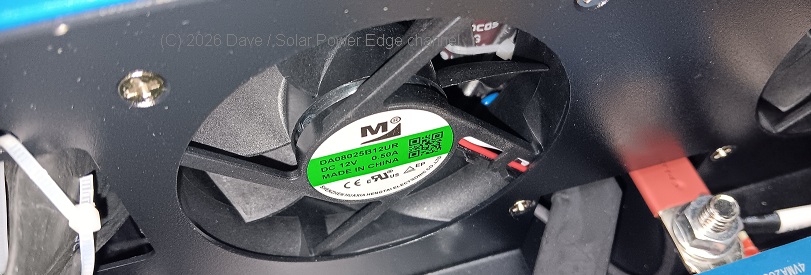
There are transparent baffles (air guides), one per main PCB, to ensure air flow is directed straight over the heat sinks. The fans actually pull cool air in from intake vents at the top of the inverter, and exhaust hot air downward and out the bottom.
AC Output Stage
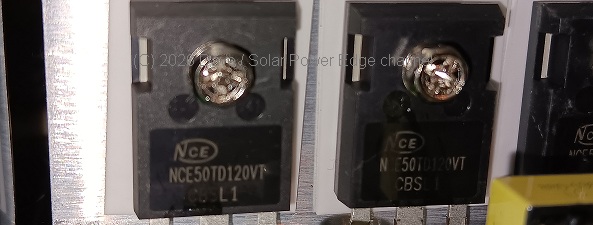
This inverter uses large and powerful 50 Amp IGBTs (Insulated Gate Bipolar Transistors) to generate the AC sine wave output. The part is NCE50TD120VT manufactured by NCE. Generally speaking, IGBTs do have some advantages for a large inverter like this (such as being more effcient at higher voltages), and it’s not surprising to see them used here.
Standby Power Consumption
All DC-AC inverters consume a specific amount of energy while in operation, even if there is no load being powered. This is especially true of highly integrated “hybrid” or “all in one” style inverters, which tend to have much more active electronic circuitry inside with associated overhead.
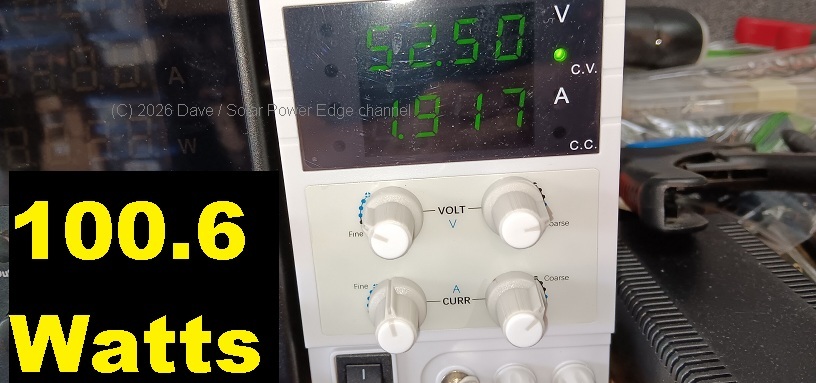
The PVT-8000W-48V consumes slightly over 100 Watts when powered on. It’s important to note that this overhead includes 2 separate MPPT charge controller inputs, plus the split phase inverter itself and control circuitry. I was not able to measure what the inverter stage alone consumes, but it’s certainly less than 100W.
Notable Technologies Used
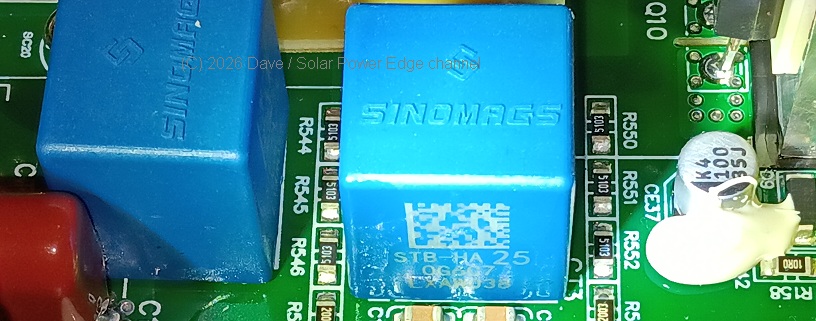
One interesting component found on the circuit boards are TMR (Tunnel Magnetoresistance) based current sensors. These advanced sensors are becoming more common in higher end inverters. Their advantages include better signal output, plus higher accuracy and resolution. They are ideal for power conversion electronics such as MPPT and Power Inverters.
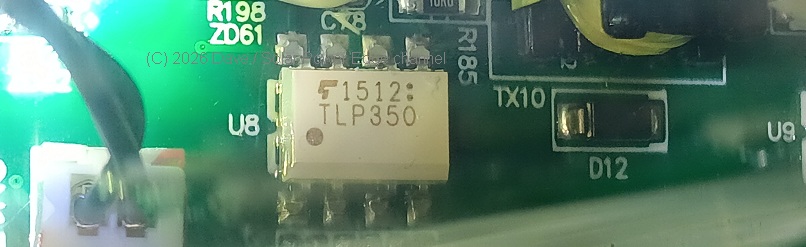
The inverter also uses TLP350 gate drive optocouplers to drive some of the transistors. In short, these devices provide a way to drive a transistor gate indirectly, and the signal is transferred to the drive by using a pulse of light – not an electrical (galvanic) connection.
Other Notes
At first glance, this inverter appears to be a high-quality unit. It makes use of advanced components and the layout and design appears competent.
One item that I really liked about this inverter, is that the Wi-Fi module is external. This means at least 2 things… first, the customer has a choice. Those who are EMF sensitive and don’t want excessive RF transmissions in their home, can simply leave the Wi-Fi module disconnected.
Second, since the module is external, placement can be optimized for better reception and it doesn’t have the inverter’s steel case potentially interfering with the radio signals.
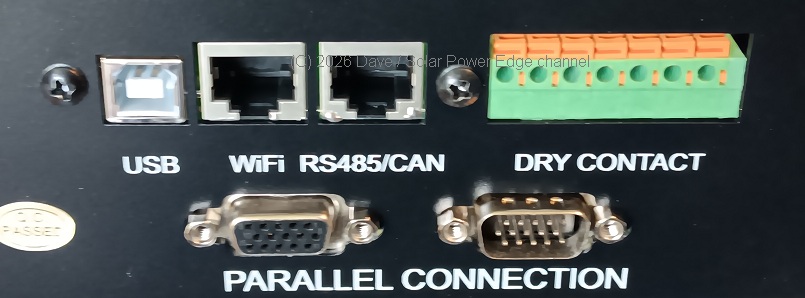
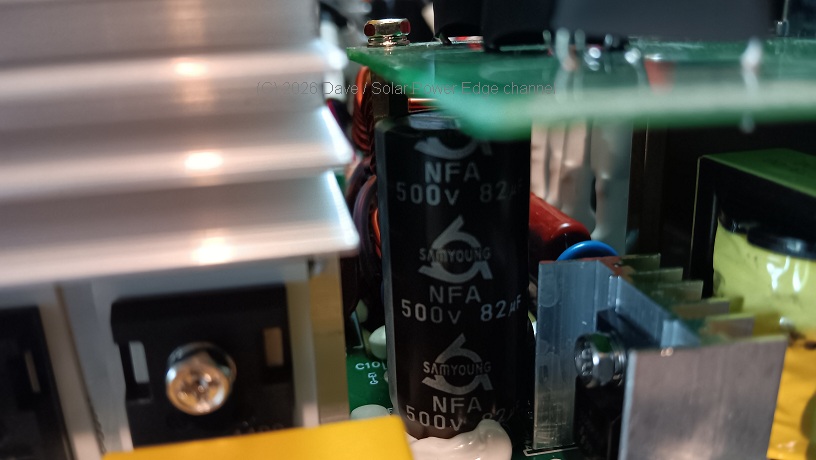
The inverter has 2 solar photovoltaic (PV) inputs with maximum power point tracking (MPPT). The rated maximum input voltage is 500 Volts DC, but I’d recommend users to keep their PV array VoC 3-5% below that limit.
The PV inputs have a small dedicated circuit board in parallel containing what appears to be multiple metal-oxide varisistors (MOVs). These can be used for surge and lightning protection.
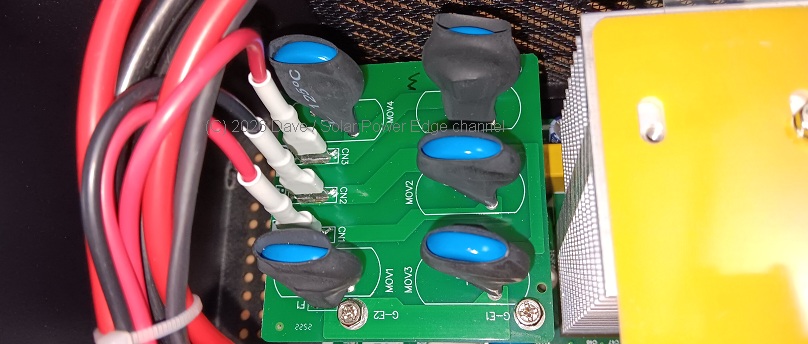
Surge protection on the PV inputs
120/240v Inverter Performance Overview
With this inverter, running standard 120v household loads such as freezers, refrigerators, small appliances, electric heaters etc. is not a challenge at all. It has no problem powering them 24×7.
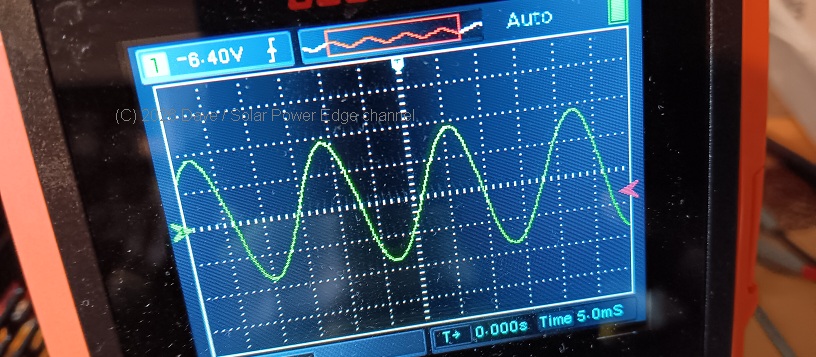
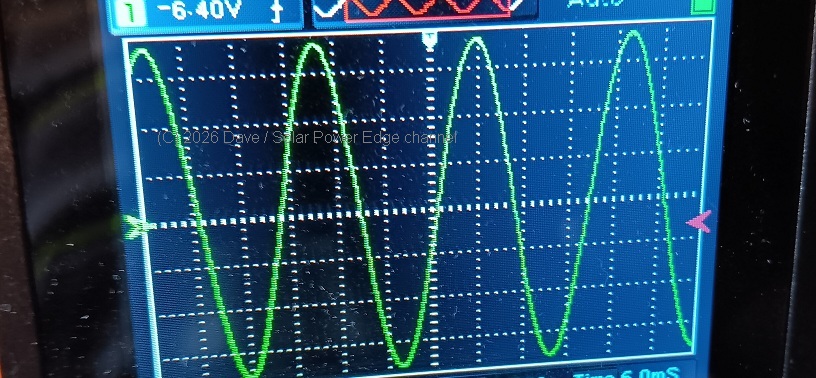
Under more demanding mixed loads, such as: 240v well pump, small 120v air compressor, vacuum cleaners, 120v window air conditioners, this inverter is able to keep a reasonably clean sine wave output. The fans come on when needed. It can handle the task.
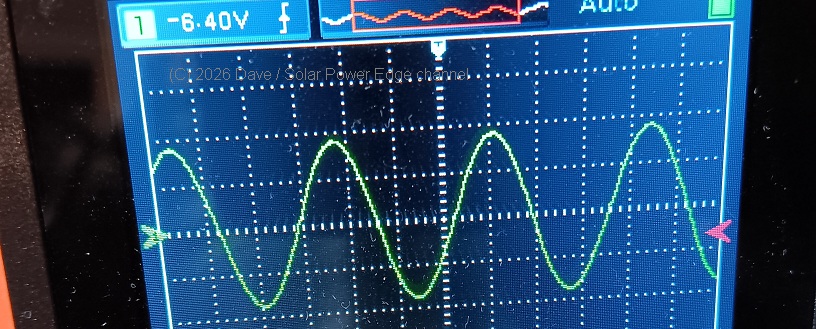
Our 30 gallon hot water heater tank was not suitable as a test load for this inverter, as it can draw up to 9000 watts. Note that ZLPower makes a 10kW version of this same inverter (ZLP-PVT-10KW).
*NOTE: this inverter can definitely power 9kW 240v hot water heater tanks, IF they are configured to energize only a SINGLE heating element at a time (upper / lower). Our tank energizes both upper / lower elements simultaneously (4,500w x2 = 9,000w) – we will probably re-wire it later.
With a sufficient 48V battery bank, this inverter can handle a 5kW garage space heater (resistive load) with no issues at all.
Overall, this inverter performs very well running standard household loads, and sufficiently well even under more demanding loads – provided the battery bank and DC and AC power cables are sized properly. I cannot stress this fact enough.
A large inverter requires an appropriately large battery bank to perform to expectations – not to mention properly sized copper cables to reduce voltage drop and reduce ripple on the DC input side.
The inverter is able to start a 1000-watt inductive load (large window air conditioner unit) without any issues, while simultaneously running other mixed household appliance loads. We did NOT attempt to overload the inverter or max it out. I don’t think the average homeowner should be overloading their inverter on a regular basis, or that must mean it’s incorrectly sized for the task. For reliability reasons, it’s better for a homeowner to install a larger inverter if their loads will regularly max out their inverter (or risk overloading).
What Was Not Tested
Unfortunately, we could not test the MPPT functionality, as our array voltage is not high enough at this time. Nor did we test the grid-tie functionality, as we operate and test in a strictly “off grid mode”.
Updates & Thoughts So Far – PVT-8000W-48V
This inverter is a professional level component suited for solar installers and DIY end users who are advanced enough to understand inverter programming and having a basic working knowledge of electrical and solar power concepts.
The build quality appears to be very good, there is nothing significant in the layout or engineering design that I could truly find fault with.
In this first test, we mainly focused on the inverter portion of the PVT-8000W-48V unit. The inverter itself, being a high frequency design, has acceptable performance under a variety of common household loads.
I believe this inverter is suitable for:
A) A homeowner who wants to have solid backup power for critical circuits
B) Solar enthusiasts who want to integrate PV solar power into their home, but still use a grid connection
C) Solar enthusiasts who are entirely off-grid focused
Overall, based on my experiences with it so far, I can recommend the PVT-8000W-48V. Hopefully, it will soon find it’s way into a successful residential installation scenario where we can begin a true long-term (multi-year) test. Any long-term updates to this article will be appended to this article at a later time.
No affiliate sales commissions are accepted for these links. I am posting them here for your convenience. No strings attached!
Manufacturers Product Links
ZLPOWER All-In-One Hybrid Solar Inverter PVT-8000W-48V
https://www.amazon.com/dp/B0FGDJ7Q84?th=1
ZLPOWER Amazon Store:
https://www.amazon.com/stores/NETSOLAR/page/0F4D6746-047A-4BC0-B8F8-83F6DFF9472C
ZLPOWER Official Website:
https://www.zlpower.com/Products/1037782193457160192-30-6.html
Hopefully, you found this article useful and educational. Thanks for reading! Dave, SPE

